
TREATMENTS
Transforming Vision: Comprehensive Treatments Tailored to Your Eyes' Needs
TREATMENTS
Transforming Vision: Comprehensive Treatments Tailored to Your Eyes' Needs
Explore the Options Below for More Information
Embark on a journey to optimal eye health with our personalized treatment options. Our dedicated team will work with you to find the perfect solution for your unique needs, ensuring a clear path to clearer vision.
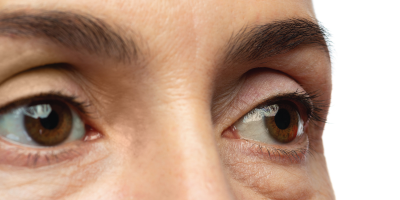
Cataract surgery
Cataract surgery involves removing the cloudy lens from the eye and replacing it with a clear artificial lens. It is a safe and effective daycare procedure that can improve vision significantly.
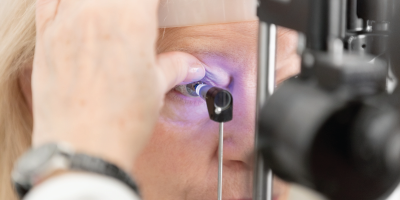
Glaucoma care
Glaucoma care encompasses a range of management strategies aimed at reducing the eye pressure, preserving vision and slowing the progression of this chronic eye condition. Treatment options may include prescription drops, laser therapy or surgical interventions, tailored to each patient's specific need and stage of the disease.
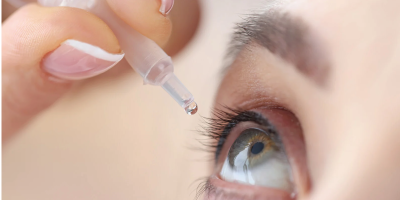
Minimally Invasive Glaucoma Surgery
New surgical techniques and implants that are designed to control the eye pressure with fewer potential side effects and faster recovery
Explore the Options Below for More Information
Embark on a journey to optimal eye health with our personalized treatment options. Our dedicated team will work with you to find the perfect solution for your unique needs, ensuring a clear path to clearer vision.
Cataract surgery
Cataract surgery involves removing the cloudy lens from the eye and replacing it with a clear artificial lens. It is a safe and effective daycare procedure that can improve vision significantly.
Glaucoma care
Glaucoma care encompasses a range of management strategies aimed at reducing the eye pressure, preserving vision and slowing the progression of this chronic eye condition. Treatment options may include prescription drops, laser therapy or surgical interventions, tailored to each patient's specific need and stage of the disease.
Minimally Invasive Glaucoma Surgery
New surgical techniques and implants that are designed to control the eye pressure with fewer potential side effects and faster recovery
What are cataracts?
Cataracts are a clouding of the lens in the eye that affects vision. They are most commonly related to aging, but can also occur due to injury, certain medications, or medical conditions such as diabetes. Cataracts can cause blurry vision, glare, and difficulty seeing in low light conditions. Treatment typically involves surgery to remove the cloudy lens and replace it with an artificial lens.
Cataract Surgery and Aftercare
Experience renewed clarity with cataract surgery, a quick and safe procedure to remove cloudy lenses and enhance your vision. Under local anesthesia, the cloudy lens is gently broken down and removed, followed by the precise placement of an artificial lens. After surgery, a short recovery period may include mild discomfort and the use of prescribed eye drops. Protective eyewear and follow-up appointments ensure optimal healing and vision improvement. Regain your visual freedom with cataract surgery, a life-changing solution for clearer, brighter days ahead.
What is glaucoma?
Glaucoma is a group of eye conditions that damage the optic nerve, which is crucial for good vision. This damage is often caused by an abnormally high pressure in your eye. Glaucoma is one of the leading causes of blindness for people over the age of 60. There are several types of glaucoma, but the most common is called primary open-angle glaucoma.
In its early stages, glaucoma may not have symptoms and can only be detected through regular eye exams. As the condition progresses, it can cause peripheral vision loss and eventually lead to blindness if left untreated.
Treatment for glaucoma
Includes prescription eye drops to reduce eye pressure, but it can also include oral medications, laser therapy, or surgery, depending on the severity of the condition. Early detection and treatment are essential in managing glaucoma and preventing vision loss. Regular eye exams are important, especially if you are at a higher risk for developing glaucoma, such as having a family history of the disease.
Minimally invasive surgery
- iStent: A tiny device implanted in the eye during cataract surgery to help reduce intraocular pressure (IOP) in patients with mild to moderate open-angle glaucoma.
- Hydrus: The Hydrus Microstent is used to treat open-angle glaucoma by improving the eye’s natural outflow of fluid, typically implanted during cataract surgery.
- Preserflo: Preserflo MicroShunt is a minimally invasive glaucoma surgery (MIGS) device that helps reduce IOP by creating a new outflow pathway for aqueous humor in the eye.
- Micropulse: A type of laser therapy used to treat glaucoma and other eye conditions, which delivers laser energy in a series of short, repetitive pulses to minimize damage to surrounding tissue.
- Subcyclo-diode laser: A laser procedure used to treat glaucoma by reducing the production of aqueous humor in the eye, thus lowering IOP.
- Trabeculectomy: A traditional glaucoma surgery that creates a new drainage channel in the eye to reduce IOP.
- Tube implants: Also known as glaucoma drainage devices, these are surgically implanted to help drain aqueous humor from the eye, reducing IOP.
Each of these treatments has its own benefits and considerations, and the best option depends on the specific characteristics of your glaucoma and your overall eye health. It’s important to discuss these options with your ophthalmologist to determine the most suitable treatment for you.
What are cataracts?
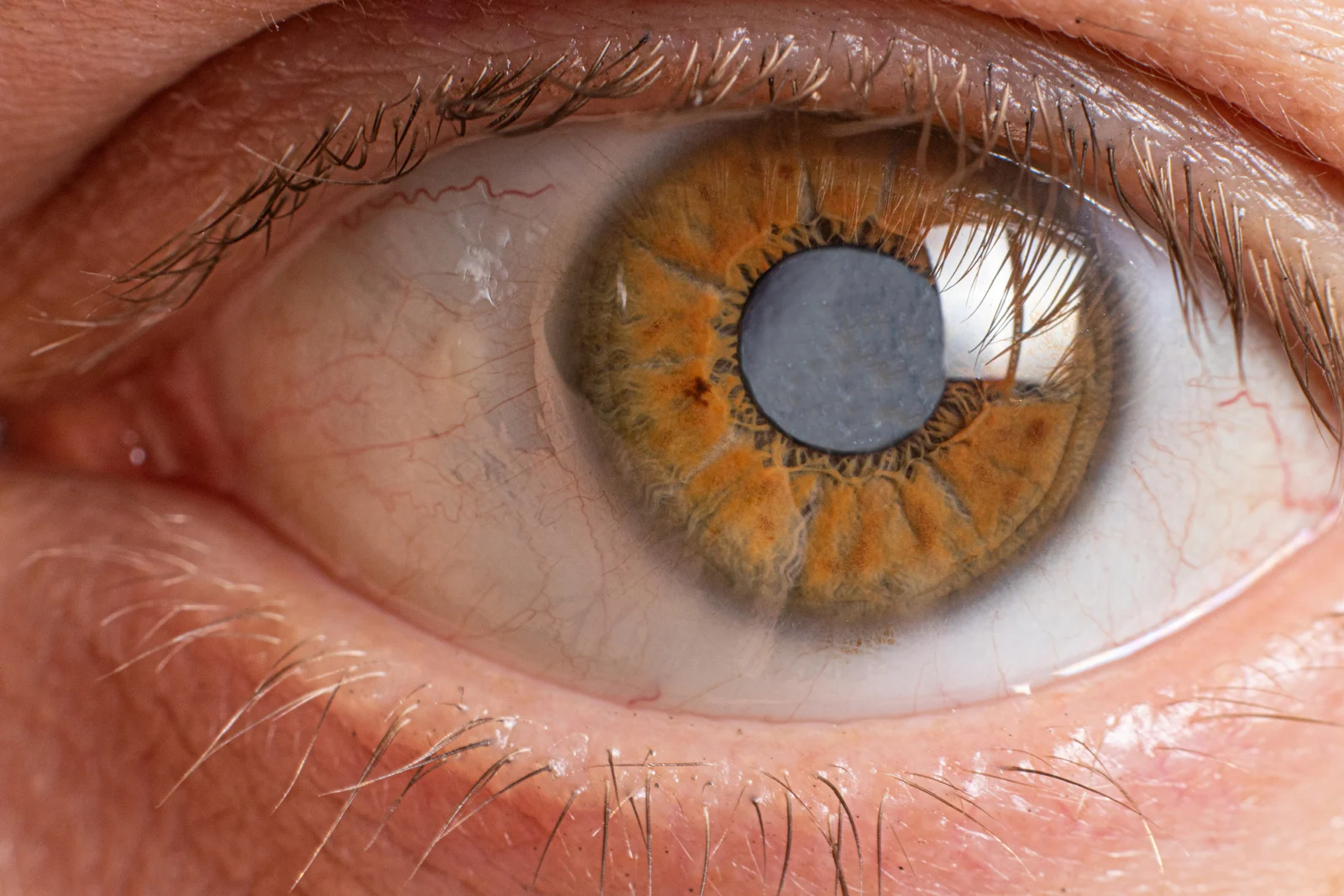
Cataracts are a clouding of the lens in the eye that affects vision. They are most commonly related to aging, but can also occur due to injury, certain medications, or medical conditions such as diabetes. Cataracts can cause blurry vision, glare, and difficulty seeing in low light conditions. Treatment typically involves surgery to remove the cloudy lens and replace it with an artificial lens.
Cataract Surgery and Aftercare
Experience renewed clarity with cataract surgery, a quick and safe procedure to remove cloudy lenses and enhance your vision. Under local anesthesia, the cloudy lens is gently broken down and removed, followed by the precise placement of an artificial lens. After surgery, a short recovery period may include mild discomfort and the use of prescribed eye drops. Protective eyewear and follow-up appointments ensure optimal healing and vision improvement. Regain your visual freedom with cataract surgery, a life-changing solution for clearer, brighter days ahead.
What is glaucoma?
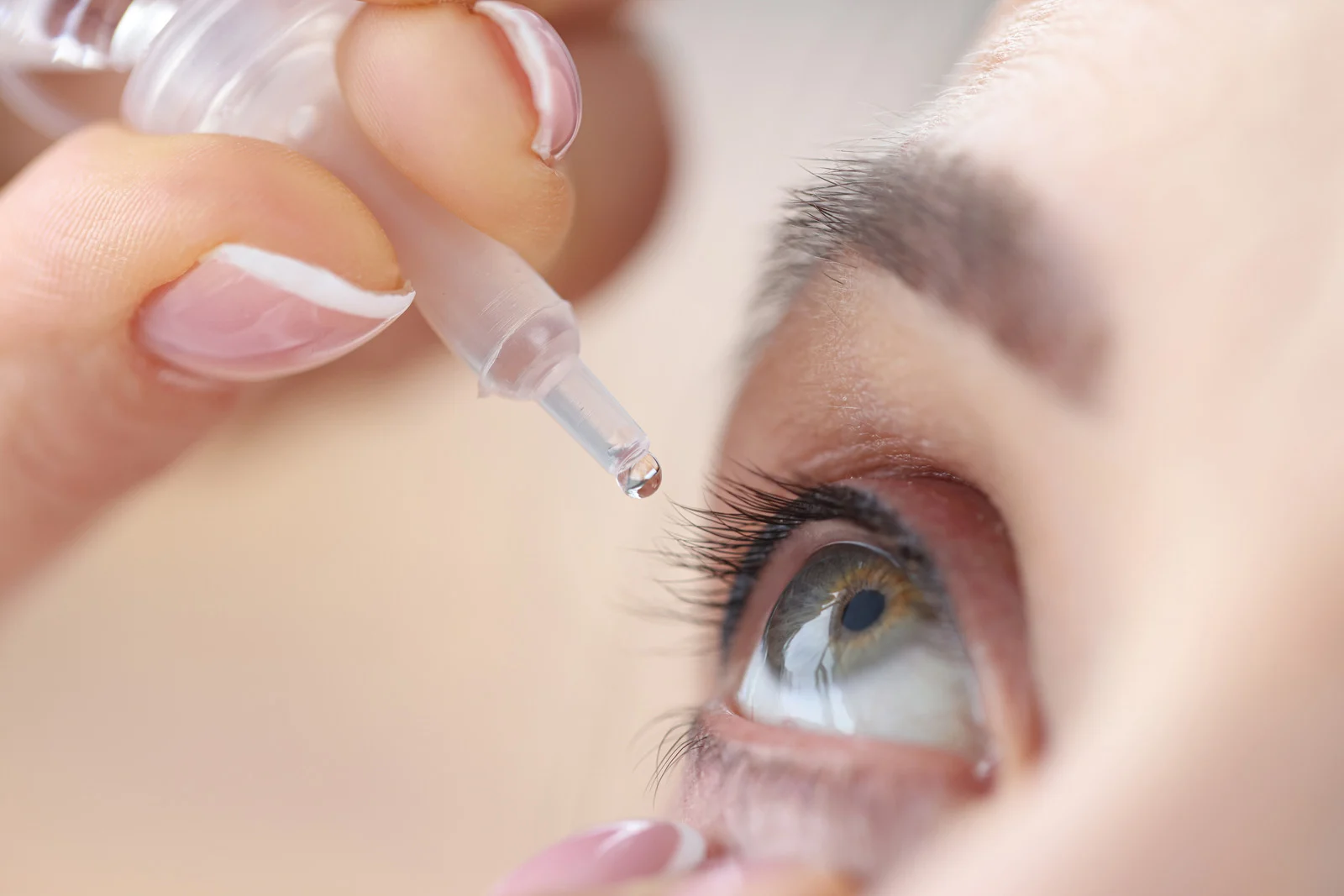
Glaucoma is a group of eye conditions that damage the optic nerve, which is crucial for good vision. This damage is often caused by an abnormally high pressure in your eye. Glaucoma is one of the leading causes of blindness for people over the age of 60. There are several types of glaucoma, but the most common is called primary open-angle glaucoma.
In its early stages, glaucoma may not have symptoms and can only be detected through regular eye exams. As the condition progresses, it can cause peripheral vision loss and eventually lead to blindness if left untreated.
Treatment for glaucoma
Includes prescription eye drops to reduce eye pressure, but it can also include oral medications, laser therapy, or surgery, depending on the severity of the condition. Early detection and treatment are essential in managing glaucoma and preventing vision loss. Regular eye exams are important, especially if you are at a higher risk for developing glaucoma, such as having a family history of the disease.
Minimally invasive surgery
- iStent: A tiny device implanted in the eye during cataract surgery to help reduce intraocular pressure (IOP) in patients with mild to moderate open-angle glaucoma.
- Hydrus: The Hydrus Microstent is used to treat open-angle glaucoma by improving the eye’s natural outflow of fluid, typically implanted during cataract surgery.
- Preserflo: Preserflo MicroShunt is a minimally invasive glaucoma surgery (MIGS) device that helps reduce IOP by creating a new outflow pathway for aqueous humor in the eye.
- Micropulse: A type of laser therapy used to treat glaucoma and other eye conditions, which delivers laser energy in a series of short, repetitive pulses to minimize damage to surrounding tissue.
- Subcyclo-diode laser: A laser procedure used to treat glaucoma by reducing the production of aqueous humor in the eye, thus lowering IOP.
- Trabeculectomy: A traditional glaucoma surgery that creates a new drainage channel in the eye to reduce IOP.
- Tube implants: Also known as glaucoma drainage devices, these are surgically implanted to help drain aqueous humor from the eye, reducing IOP.
Each of these treatments has its own benefits and considerations, and the best option depends on the specific characteristics of your glaucoma and your overall eye health. It’s important to discuss these options with your ophthalmologist to determine the most suitable treatment for you.
Make an appointment today
Distinguished expert in cataract and glaucoma care
Dr. Puspha specializes in performing complex cataract operations, and glaucoma procedures such as iStent, Hydrus, Preserflo, micropulse, subcyclo-diode laser, trabeculectomy, and tube implants. Her commitment to advancing ophthalmic care is evident in her multifaceted approach in managing cataract and glaucoma patients.

Make an appointment today
Distinguished expert in cataract and glaucoma care
Dr. Puspha specializes in performing complex cataract operations, and glaucoma procedures such as iStent, Hydrus, Preserflo, micropulse, subcyclo-diode laser, trabeculectomy, and tube implants. Her commitment to advancing ophthalmic care is evident in her multifaceted approach in managing cataract and glaucoma patients.